Pressure Washing vs Soft Washing: What Makes More Money?
If you're starting or expanding an exterior cleaning business, one of the biggest questions is:
Should you focus on pressure washing or soft washing?
Both services can be profitable. But they differ significantly in pricing, margins, equipment costs, risk, and scalability.
Let’s break down what actually makes more money—and which model fits your goals.
What’s the Difference?
Pressure Washing
Uses high-pressure water to remove:
Dirt
Mud
Surface grime
Oil stains
Loose debris
Common jobs:
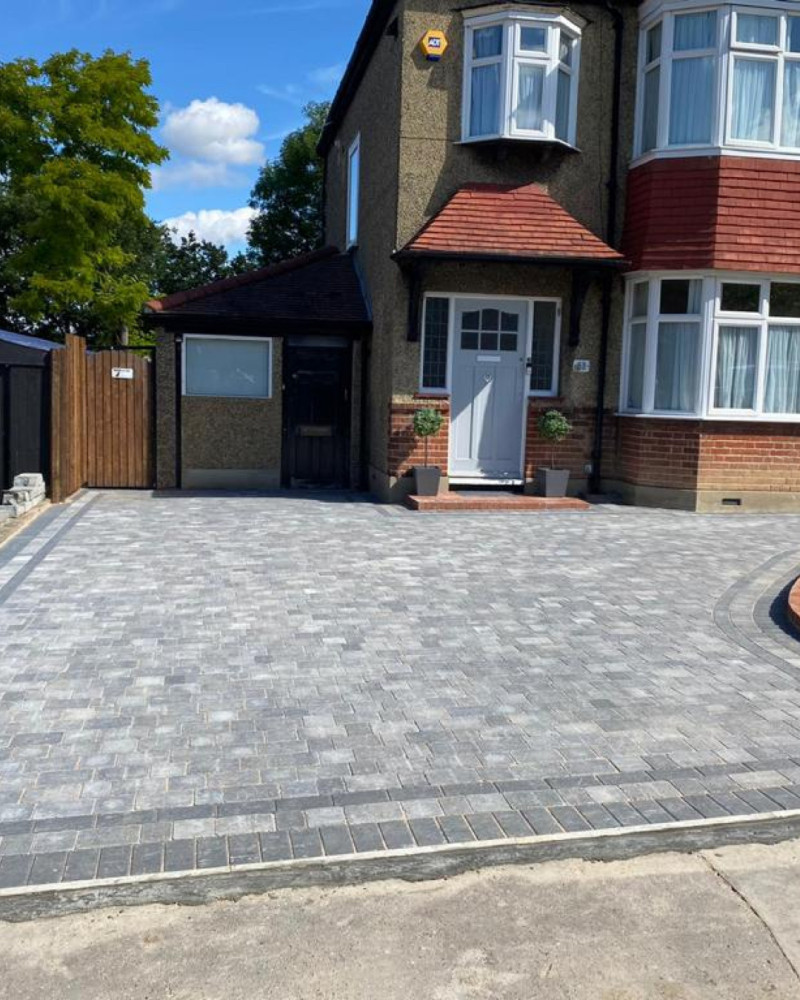
Driveways
Sidewalks
Patios
Concrete surfaces
Commercial flatwork
Soft Washing
Uses low pressure combined with cleaning solutions (typically sodium hypochlorite mixes) to kill and remove:
Mold
Mildew
Algae
Organic buildup
Common jobs:
House siding
Roofs
Stucco
Vinyl
Fences
Revenue Comparison
1. Average Job Size
Pressure Washing
Driveway: $150–$300
Small patio: $100–$250
Commercial flatwork: varies widely
Most residential pressure washing jobs are smaller ticket unless bundled.
Soft Washing
Full house wash: $300–$800
Roof cleaning: $800–$2,500+
Larger properties: $1,500+
Soft washing jobs are typically higher-ticket services.
Winner: Soft Washing (Higher Average Ticket)
2. Profit Margins
Pressure Washing
Costs:
Fuel
Equipment wear
Labor
Surface cleaner maintenance
Lower chemical costs, but more time spent per job.
Margins are solid but depend heavily on volume.
Soft Washing
Costs:
Chemicals (bleach mix, surfactants)
Pumps and tanks
PPE
Chemical costs are relatively low compared to job price.
Because jobs are higher ticket and time-efficient, margins are often stronger.
Winner: Soft Washing (Higher Margin Per Job)
3. Equipment Investment
Pressure Washing Setup
Pressure washer
Surface cleaner
Hoses
Water tank (optional)
Startup cost: Moderate.
Soft Washing Setup
12V or gas-powered pump system
Chemical tanks
Proportioner system
Safety equipment
Transfer pumps
Startup cost: Slightly higher due to chemical system.
Winner: Pressure Washing (Lower Barrier to Entry)
4. Time Efficiency
Pressure washing concrete can be time-intensive.
Soft washing:
Apply solution
Dwell time
Rinse
Less physical strain and often faster completion on large properties.
Winner: Soft Washing (More Revenue Per Hour)
5. Risk & Liability
Pressure washing risks:
Surface damage
Etching concrete
Damaging wood
Breaking windows
Soft washing risks:
Plant damage
Overspray
Chemical handling safety
Both require training, but high pressure can cause visible damage faster.
Tie — Both require proper training.
6. Scalability
Soft washing:
Higher ticket jobs
Faster per-job completion
Easier upselling (roof + house + driveway bundle)
Pressure washing:
Easier to hire labor for
More competitive market
Soft washing often positions you as a specialist, allowing premium pricing.
Winner: Soft Washing (Better Premium Positioning)
So… What Actually Makes More Money?
In most markets:
Soft washing typically generates more profit per job and per hour.
However…
Pressure washing can generate strong revenue if:
You focus on commercial contracts
You build dense residential routes
You bundle services
The Real Money Strategy: Offer Both
The most profitable exterior cleaning businesses offer:
House soft washing
Roof cleaning
Driveway pressure washing
Fence and deck cleaning
Bundling services increases:
Average ticket size
Customer lifetime value
Marketing efficiency
Example:
House wash: $500
Driveway: $200
Roof: $1,200
Total ticket: $1,900
One customer. One setup. One marketing cost.
That’s where real profitability happens.
Which Should You Start With?
Choose Pressure Washing If:
You have a lower startup budget
You want simpler operations
You’re targeting commercial flatwork
Choose Soft Washing If:
You want higher ticket jobs
You’re comfortable handling chemicals
You want premium residential work
Final Verdict
If we’re talking strictly about profit potential:
Soft washing generally makes more money per job and per hour.
But the highest-earning companies combine both services and focus on upselling packages.
The question isn’t pressure washing or soft washing.
It’s how you structure your services for maximum revenue per customer.