How to Price Exterior Cleaning Jobs for Maximum Profit
Pricing exterior cleaning properly is the difference between running a busy job and running a profitable business.
Whether you offer pressure washing, soft washing, gutter clearing, roof cleaning, or driveway restoration — your pricing must do more than “win the job.” It must fund wages, growth, equipment, tax, and profit.
Here’s how to price for maximum profit, not just maximum work.
Step 1: Stop Pricing by Guesswork
Many exterior cleaners price like this:
“That looks like a £150 job.”
“I charged £120 last time.”
“The other guy quoted £180, so I’ll say £160.”
That’s not strategy. That’s gambling.
Instead, price based on:
Time required
Labour cost
Materials
Overheads
Desired profit margin
Step 2: Know Your Day Rate (Your Non-Negotiable Number)
Before pricing any job, you need a clear target day rate.
For a UK exterior cleaning business, realistic targets might be:
Solo operator: £300–£600 per day
Two-man team: £600–£1,200 per day
Larger operation: £1,500+ per day per van
If your pricing doesn’t hit those targets consistently, you’re undercharging.
Step 3: Calculate Your Real Cost Per Day
Let’s break down a simple example.
Example – Two-Man Team
Daily Costs:
Wages: £220–£300
Fuel: £25–£40
Chemicals: £15–£40
Equipment wear & maintenance: £20–£40
Insurance, van finance, overhead allocation: £50–£100
Rough daily operating cost:
👉 £350–£520
If you charge £600 for the day, your profit might only be £80–£150.
That’s thin.
If you charge £900, now you have:
Healthy margin
Equipment fund
Business profit
Cushion for slow periods
Step 4: Price by Outcome, Not Just Time
Customers don’t buy:
“4 hours of pressure washing”
They buy:
A driveway that looks brand new
A moss-free roof
Gutters that don’t overflow
If the result adds visible value to their property, price accordingly.
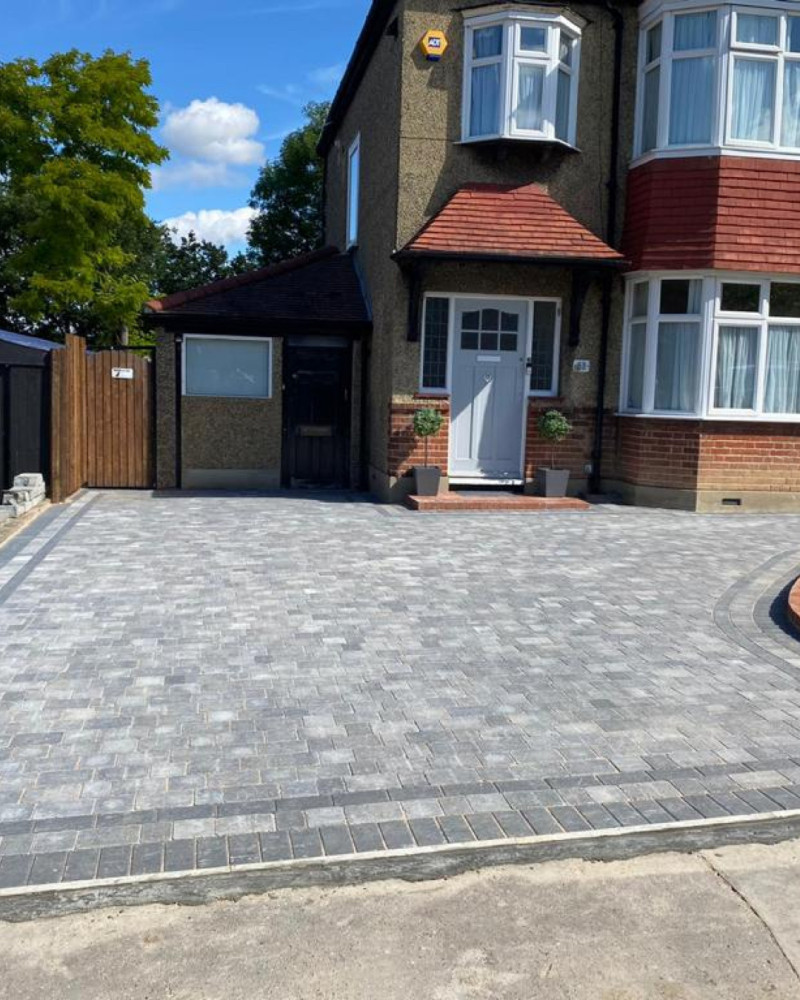
A driveway that improves kerb appeal on a £400,000 home is not a £120 job.
Step 5: Minimum Charge Rule
Every exterior cleaning business should have a minimum charge.
In many UK areas:
£80–£120 absolute minimum
Even if the job takes 30 minutes
Why?
Because:
Travel time
Setup time
Pack down
Admin
Payment processing
Small jobs eat profit fast.
Step 6: Build in Profit Intentionally
Don’t “hope” profit appears.
Add it deliberately.
A strong target is:
20–30% net profit
That means after all costs — including paying yourself properly — there is still margin left in the business.
If you’re only breaking even after paying yourself, you don’t have profit.
Step 7: Avoid the Discount Trap
When customers say:
“That seems expensive.”
Do not immediately discount.
Instead:
Re-explain the process
Highlight insurance and professionalism
Emphasise longevity of results
Explain surface protection and safety
Professional exterior cleaning is not comparable to someone with a £200 DIY pressure washer.
Step 8: Add High-Margin Upsells
Profit is often made in add-ons:
Sanding & sealing driveways
Biocide roof treatments
Gutter clearing with exterior wash
Fascia & soffit cleaning
Annual maintenance plans
Example:
Driveway clean £250
Add sanding & seal £180
Time added: 1–2 hours
Profit added: Significant
Step 9: Raise Prices Annually
Fuel rises.
Chemicals rise.
Wages rise.
If you haven’t raised prices in 12–24 months, your margin is shrinking silently.
A 10% increase across your workload can dramatically improve yearly profit without adding more jobs.
Step 10: Think Like an Owner, Not a Worker
Workers ask:
“Will I get the job?”
Owners ask:
“Is this job worth doing?”
If a job:
Has difficult access
Demands unrealistic results
Is price-sensitive
Carries high risk
You either price higher — or walk away.
Not every job is good business.
Quick Pricing Framework (Simple Formula)
Estimate realistic time required
Multiply by your target hourly/day rate
Add materials cost
Add 20–30% profit
Check against minimum charge
If the price feels uncomfortable — you’re probably pricing correctly.
Final Thoughts
Maximum profit doesn’t come from:
Doing more jobs
Working longer hours
Being the cheapest
It comes from:
Charging properly
Protecting margin
Building systems
Saying no to bad work
Busy doesn’t mean successful.
Profitable means successful.
If your diary is full but your bank account isn’t — your pricing needs attention.