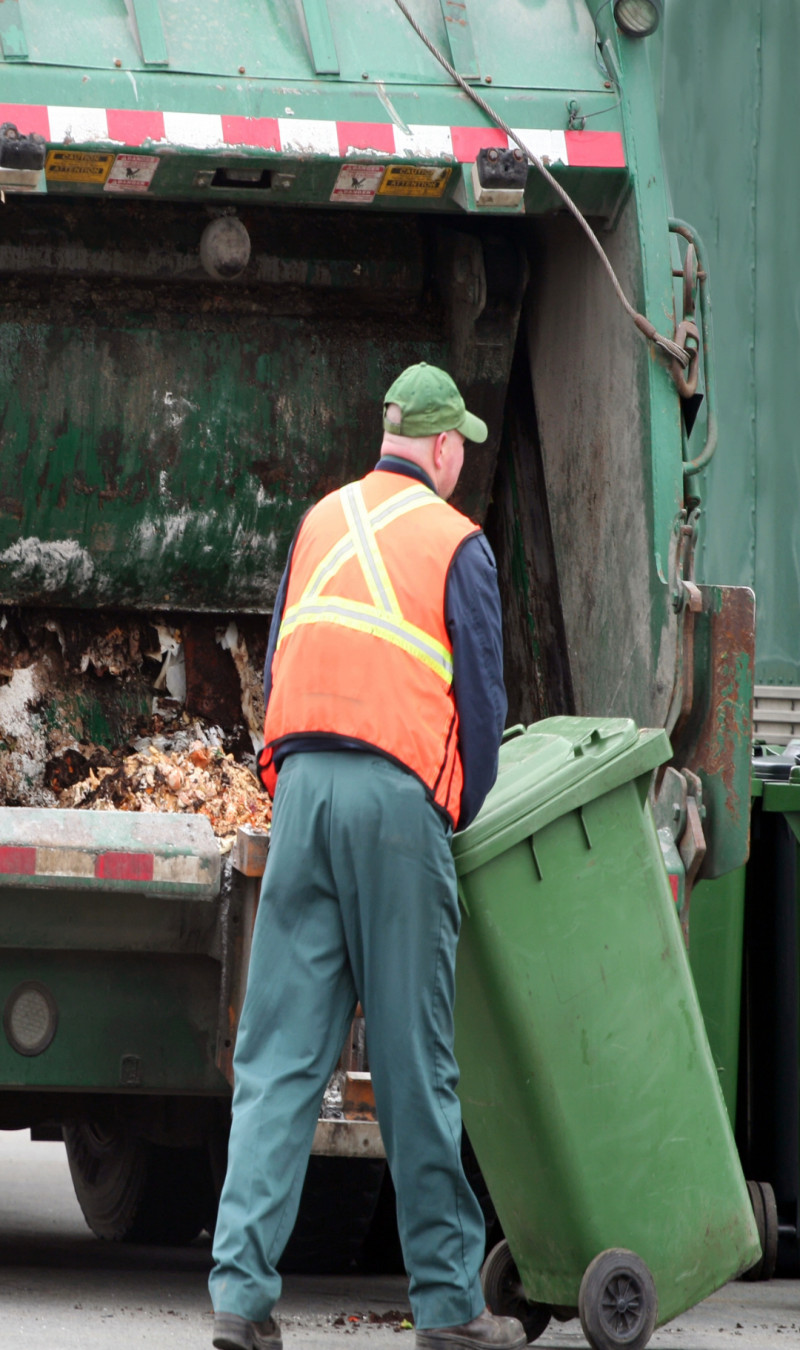
How to Deal with Commercial Waste Removal for Businesses
Managing commercial waste effectively is an essential responsibility for any business. Proper waste removal keeps your workplace safe, supports environmental sustainability, and ensures legal compliance. Here’s how businesses can handle commercial waste removal efficiently and responsibly.
1. Understand Your Waste Types
Different businesses produce different types of waste. Common categories include:
General waste
Recyclable waste (paper, cardboard, plastics, glass)
Food waste
Hazardous waste (chemicals, oils, batteries)
Electrical and electronic waste (WEEE)
Identifying your waste types helps you choose the right disposal methods and providers.
2. Know Your Legal Responsibilities
Businesses have a duty of care to manage waste responsibly. This usually means:
Using licensed waste carriers
Storing waste safely and securely
Keeping waste transfer notes or consignment notes
Ensuring waste is disposed of at authorised facilities
Failure to comply can lead to fines or legal action.
3. Choose the Right Waste Removal Service
When selecting a waste contractor, consider:
Licensing and certifications
Collection frequency options
Recycling and sustainability practices
Transparent pricing
Customer support and reliability
Working with a reputable provider reduces risk and simplifies compliance.
4. Set Up Proper Waste Storage
Ensure waste is stored in appropriate containers:
Use clearly labelled bins
Separate recyclables from general waste
Keep hazardous waste in secure, compliant containers
Position bins in accessible but safe areas
Good storage reduces contamination and improves efficiency.
5. Reduce and Recycle Where Possible
Reducing waste can lower costs and environmental impact:
Train staff on correct waste separation
Switch to recyclable or reusable packaging
Monitor waste output and adjust practices
Partner with recycling-focused waste providers
Many customers and clients value environmentally responsible businesses.
6. Schedule Regular Collections
Avoid overflows and hygiene issues by:
Choosing collection schedules that match your waste volume
Adjusting frequency during busy periods
Monitoring bin usage regularly
Regular collections help maintain a clean and professional environment.
7. Train Staff and Set Policies
Clear internal waste policies are essential:
Educate employees on waste segregation
Assign responsibility for waste management
Display signage near waste areas
Review procedures periodically
Staff involvement makes waste management more effective.
8. Keep Records and Review Performance
Maintain documentation and regularly assess:
Waste transfer records
Recycling rates
Collection costs
Contractor performance
Reviewing data helps identify savings and improvement opportunities.
Final Thoughts
Effective commercial waste removal isn’t just about disposal—it’s about compliance, cost control, and environmental responsibility. With the right systems and partners in place, businesses can manage waste efficiently while supporting sustainability goals.