How to Build Recurring Income with Bin Cleaning Routes
If you want predictable cash flow in a service business, you need recurring revenue.
Bin cleaning is one of the simplest ways to build it.
Instead of chasing one-off jobs, you build routes — dense neighbourhood rounds where customers pay monthly for regular bin cleaning. Once established, these routes can generate stable income with high margins and low overhead.
Here’s how to build recurring income with bin cleaning routes the smart way.
Why Routes Are the Key to Profit
One-off bin cleans make money.
Routes build wealth.
When you structure your business around routes:
You reduce travel time
You lower fuel costs
You increase hourly earnings
You create predictable monthly income
You reduce marketing spend
The goal is simple: clean as many bins as possible in the smallest area possible.
Step 1: Start with One Target Area
Don’t market everywhere.
Choose:
One estate
One postcode
One housing development
One HOA/community
Focus all your efforts there until you dominate it.
This allows you to:
Build route density fast
Create word-of-mouth referrals
Become “the bin cleaning guy” in that area
Step 2: Use the Subscription Model
Recurring income only works if customers are on a plan.
Example Pricing Model:
£20–£30 per bin per month
Discount for 2+ bins
Quarterly option at slightly higher rate
Position it as:
“We clean and sanitise your bins every month so they never smell or attract pests.”
Make it simple. No complicated packages.
Step 3: Time It with Bin Collection Day
The best operational strategy:
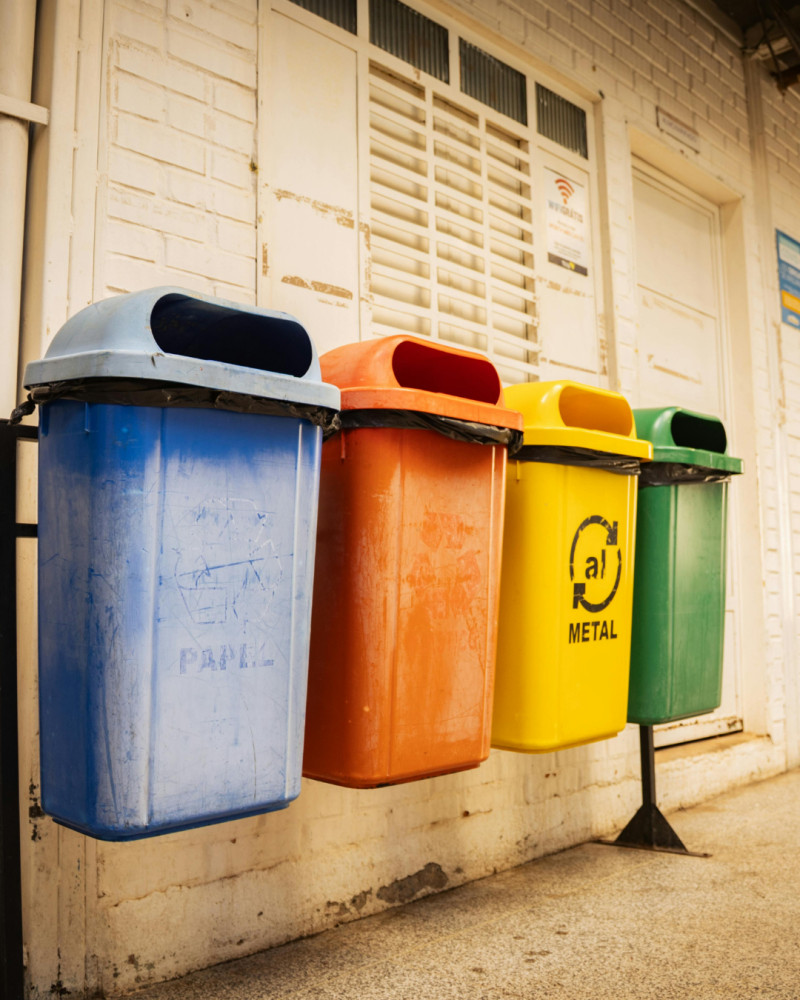
Clean bins on the same day they’re emptied.
Why?
Bins are already outside
No heavy waste inside
Easier access
Faster turnaround
Build your route around local council collection schedules.
Step 4: Stack Customers Street by Street
Route density determines profitability.
Example:
If you clean:
1 bin on a street = low profit
10 bins on the same street = high profit
Knock doors before or after you clean a neighbour’s bin:
“Hi, we’re cleaning bins on your street every month — would you like yours added to the round?”
Social proof converts.
Step 5: Automate Payments
Recurring income only works if billing is automatic.
Use:
GoCardless (Direct Debit)
Stripe
Square
Jobber
No chasing payments.
No awkward conversations.
Customers sign up once and it runs automatically.
Step 6: Track Your Route Efficiency
Know your numbers.
Ask:
How many bins per hour?
Fuel cost per route?
Average revenue per street?
Customer churn rate?
The tighter your route, the higher your hourly profit.
Example:
If you clean:
25 bins in 2 hours at £25 each
= £625 revenue
Minus expenses
= Strong daily profit
Efficiency = income growth.
Step 7: Increase Lifetime Value
Once you’ve built a route, maximise each customer:
Upsells:
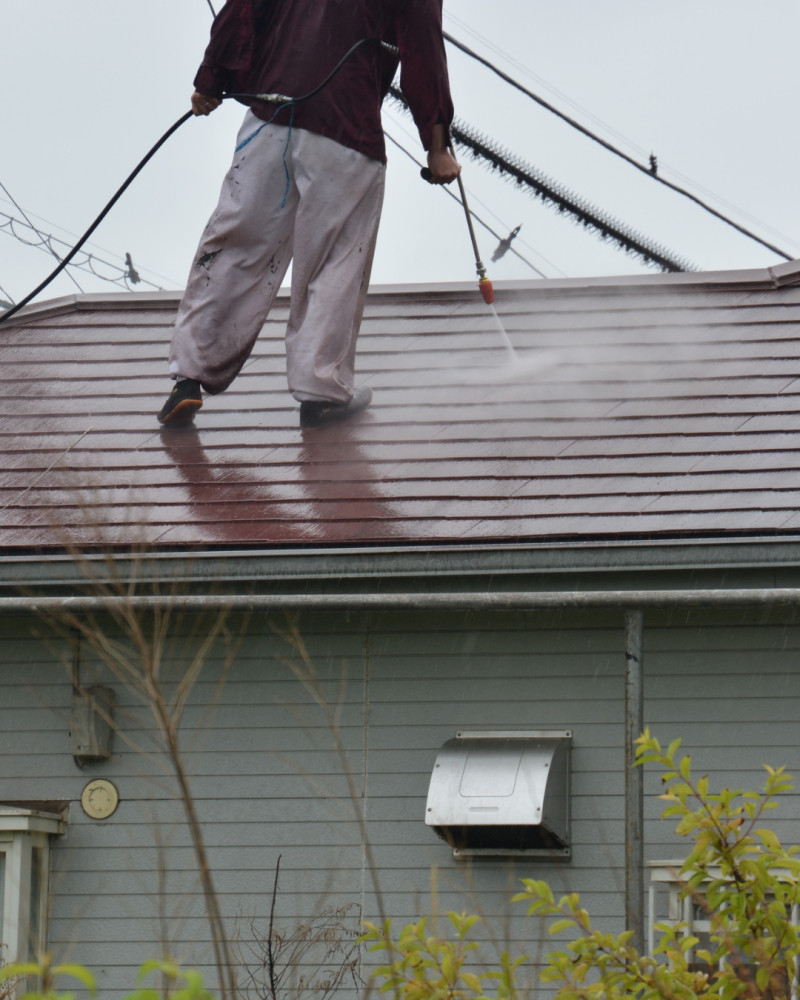
Driveway pressure washing
Gutter clearing
Window cleaning
Annual deep sanitisation
Recurring customers are easier to upsell than one-off leads.
Step 8: Expand in Layers
Once one area is dense and profitable:
Add a neighbouring postcode
Hire a technician
Add a second trailer
Replicate the same system
Never expand too fast without route density.
Profit comes from clustering, not spreading.
How Much Recurring Income Can You Build?
Example:
150 customers × £25/month = £3,750/month
300 customers = £7,500/month
With low overhead and tight routes, many operators achieve 60–70% gross margins.
Two solid routes can create a six-figure annual income.
The Real Secret
The money isn’t in cleaning bins.
It’s in:
Route density
Recurring billing
Consistency
Customer retention
Build tight routes. Protect your pricing. Deliver reliable service.
Do that — and you’ll build predictable, scalable recurring income.